Top Benefits of Using a Dehumidifier and Humidifier Together for Your Home
In the quest for optimal indoor air quality, the combination of a dehumidifier and humidifier is often overlooked. According to renowned HVAC expert Dr. Emily Carter, "Utilizing a dehumidifier and humidifier together can create a balanced environment that promotes health and comfort." This synergy is essential for maintaining the ideal humidity levels in our homes, especially in regions experiencing extreme seasonal changes.
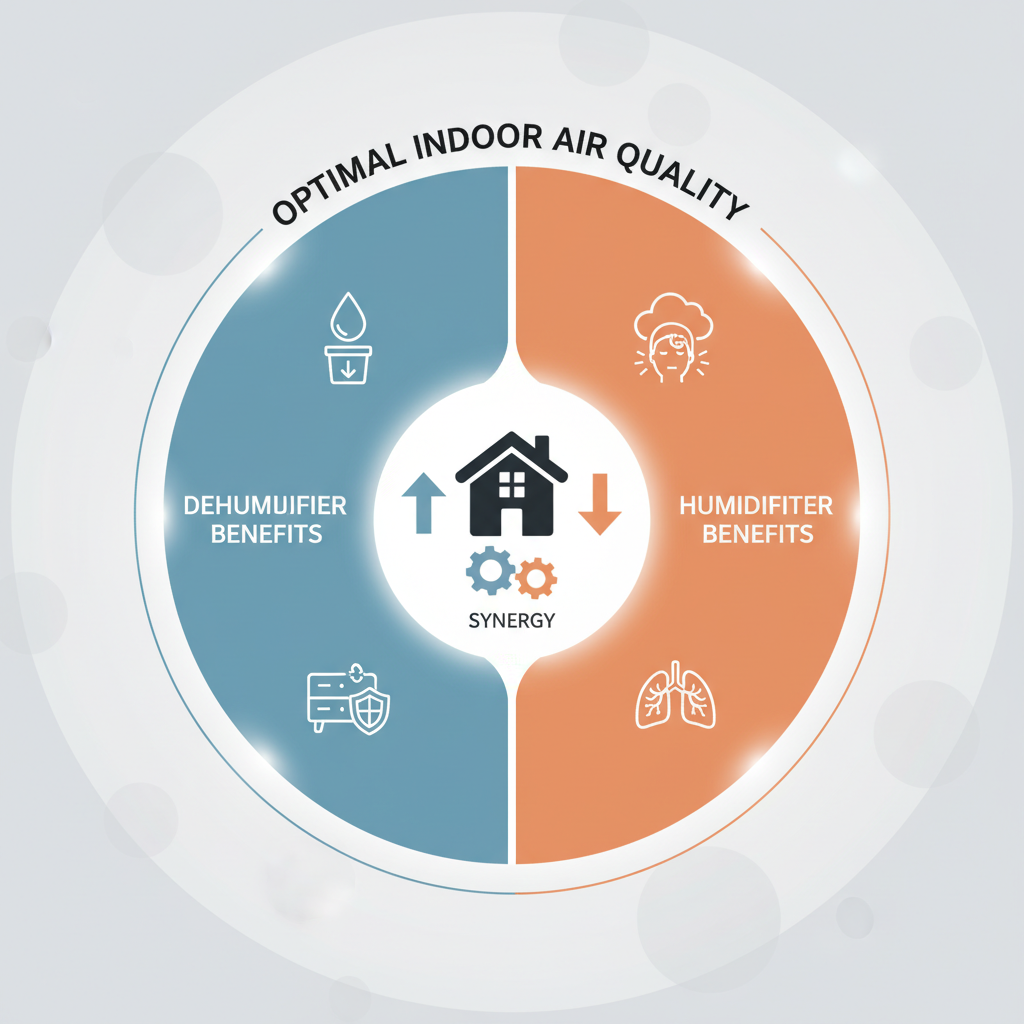
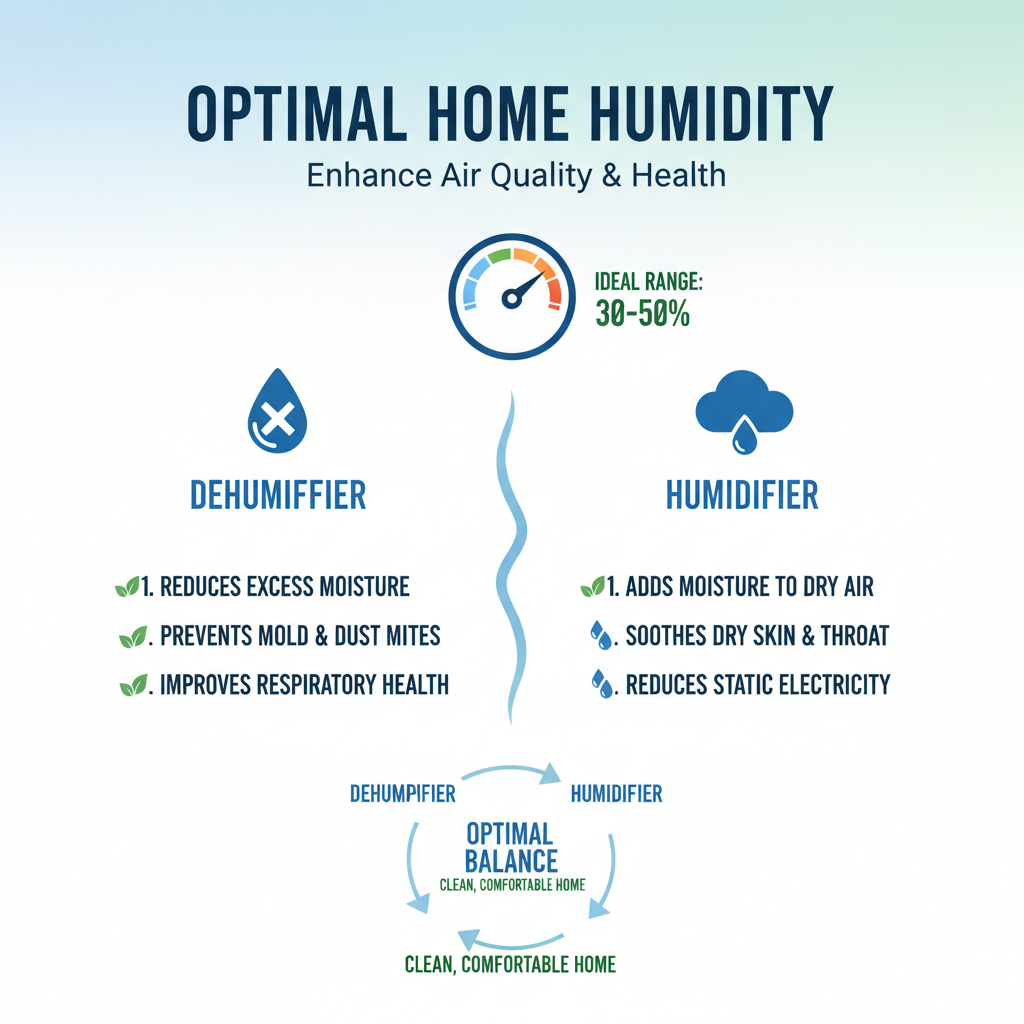
Dehumidifiers work to remove excess moisture from the air, preventing mold growth and protecting our belongings from damage. Conversely, humidifiers add necessary moisture back into the atmosphere, alleviating dry skin and respiratory issues. Together, these devices can create a harmonious balance that not only enhances comfort but also contributes to the overall well-being of the inhabitants.
By understanding the benefits of using a dehumidifier and humidifier in tandem, homeowners can take proactive steps in improving their indoor climate. This article explores how the effective use of both devices can lead to a more comfortable living space while safeguarding health and property.
Understanding the Role of Humidifiers and Dehumidifiers in Indoor Climate
Maintaining an optimal indoor climate is crucial for both comfort and health, and understanding the role
of humidifiers and dehumidifiers
is key to achieving this balance. According to the Environmental Protection Agency (EPA), maintaining indoor humidity levels
between 30% and 50% can significantly reduce the
presence of mold and dust mites, which thrive in higher humidity. Humidifiers add moisture to the air, alleviating
dry skin, respiratory issues, and even static electricity, especially during winter months when indoor heating
tends to dry out the air. A study published in the Journal of Environmental Health found that using a
humidifier can decrease the incidence of respiratory infections by 50%, highlighting
its importance in maintaining respiratory health.
Conversely, dehumidifiers play a vital role in removing excess moisture from the air, mitigating the risk of
mold growth and contributing to overall indoor air quality. The American Society of Heating, Refrigerating and
Air-Conditioning Engineers (ASHRAE) states that keeping indoor humidity below 60% can
effectively prevent mold proliferation. Combining the use of humidifiers and dehumidifiers in areas prone to
moisture fluctuation ensures that humidity levels remain stable. By strategically employing both devices, homeowners
can create a controlled indoor environment that promotes health and comfort year-round, regardless of external
weather conditions.
Key Benefits of Balancing Humidity Levels in Your Home
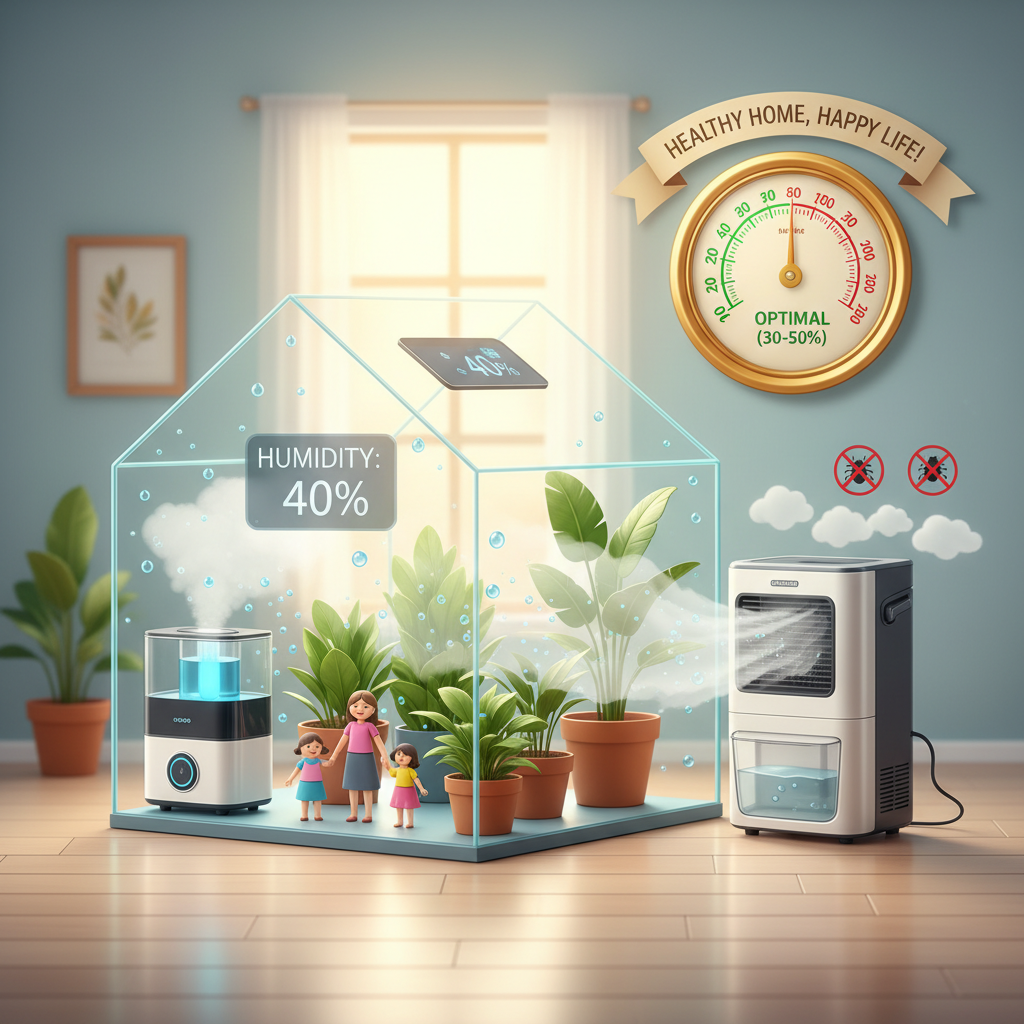
Balancing humidity levels in your home is essential for maintaining a healthy living environment. When indoor humidity is too high, it can lead to mold growth, increase allergens, and create an uncomfortable atmosphere. Conversely, excessively low humidity can dry out your skin, irritate your respiratory system, and damage wooden furniture. Utilizing both a dehumidifier and a humidifier ensures that humidity levels stay within the ideal range of 30% to 50%, promoting overall comfort and health.
By employing these two devices together, you can effectively mitigate the adverse effects of humidity fluctuations. In the winter months, a humidifier can add moisture back into the air, combating dryness caused by heating systems. Meanwhile, during humid summer months, a dehumidifier works to extract excess moisture, minimizing the risk of mold and enhancing air quality. This harmonious balance not only promotes a more comfortable living space but also contributes to better indoor air quality, reducing health risks associated with humidity extremes.
How Combined Use Improves Air Quality and Health
Using a dehumidifier and humidifier together can significantly enhance air quality and health in your home. Maintaining optimal humidity levels—typically between 30-50%—is essential for creating a comfortable living environment. A dehumidifier removes excess moisture from the air, which can help prevent the growth of mold and dust mites, both of which thrive in humid conditions. This reduction in allergens can lead to improved respiratory health, especially for those suffering from allergies or asthma.
On the other hand, a humidifier adds moisture to the air during dry seasons, helping to alleviate symptoms such as dry skin, itchy eyes, and respiratory issues caused by low humidity. The combined use of these devices allows homeowners to adapt to changing weather conditions effectively. By carefully controlling humidity levels, you can create a balanced atmosphere that promotes better sleep, reduces static electricity, and protects furniture and woodwork from damage. Together, dehumidifiers and humidifiers work synergistically to foster a healthier and more pleasant home environment.
Energy Efficiency and Cost-Effectiveness of Dual Humidity Control
When it comes to maintaining a comfortable and healthy home environment, the combination of a dehumidifier and humidifier can be a game-changer. This dynamic duo not only helps regulate humidity levels but also enhances energy efficiency and cost-effectiveness. By using these two devices together, you can create a balanced atmosphere that keeps your indoor air quality optimal while reducing energy consumption. When the air is too dry or too moist, your heating and cooling systems have to work harder, leading to higher energy bills.
Tips: To maximize energy efficiency, consider investing in a dual-humidity control system that automatically adjusts the settings based on the current indoor conditions. This smart technology can help maintain consistent humidity levels with minimal manual intervention. Additionally, place your dehumidifier in areas prone to dampness, like basements, and your humidifier in dry rooms to ensure even humidity distribution throughout your home.
By strategically using a dehumidifier and humidifier, you can not only improve your home's comfort level but also protect your furniture and health. Mold and mildew thrive in high humidity, while excessively dry air can irritate your respiratory system. Maintaining the right humidity not only reduces these risks but also contributes to lower energy costs, as your HVAC system will operate more efficiently when the air quality is properly regulated.
Practical Tips for Using a Dehumidifier and Humidifier Together
Using a dehumidifier and humidifier together can significantly enhance your home’s air quality and comfort. To find the right balance between humidity and dryness, it's essential to monitor indoor humidity levels. The optimal relative humidity range for a home is between 30% and 50%, according to the Environmental Protection Agency (EPA). This balance helps reduce the risk of mold growth, dust mites, and other allergens, as too much humidity can foster these problems, while too little can lead to dry skin and respiratory issues.
When utilizing both devices, consider running the dehumidifier in particularly humid areas, such as basements, where levels can inadvertently reach 60% or higher. Once humidity is regulated, incorporate the humidifier in drier rooms during winter months when heating systems can drop humidity levels below 30%. According to the American Society of Heating, Refrigerating and Air-Conditioning Engineers (ASHRAE), using humidifiers in such environments can reduce respiratory illnesses by up to 30% and improve overall comfort. Regularly checking and adjusting both devices will ensure optimal conditions in your home, creating a healthier living environment for your family.