Exploring Built-In Humidifiers: Benefits, Types, and Top Choices for Your Home
As the demand for enhanced indoor air quality rises, built-in humidifiers have emerged as a popular solution for maintaining optimal humidity levels in homes. According to a recent report by the Environmental Protection Agency (EPA), maintaining indoor humidity between 30% and 50% can significantly reduce the risk of respiratory issues and enhance overall comfort. Built-in humidifiers offer a seamless integration into HVAC systems, allowing for consistent and efficient moisture distribution throughout the home. This feature not only improves air quality but also protects wooden furniture and flooring from drying out and cracking in overly dry conditions.
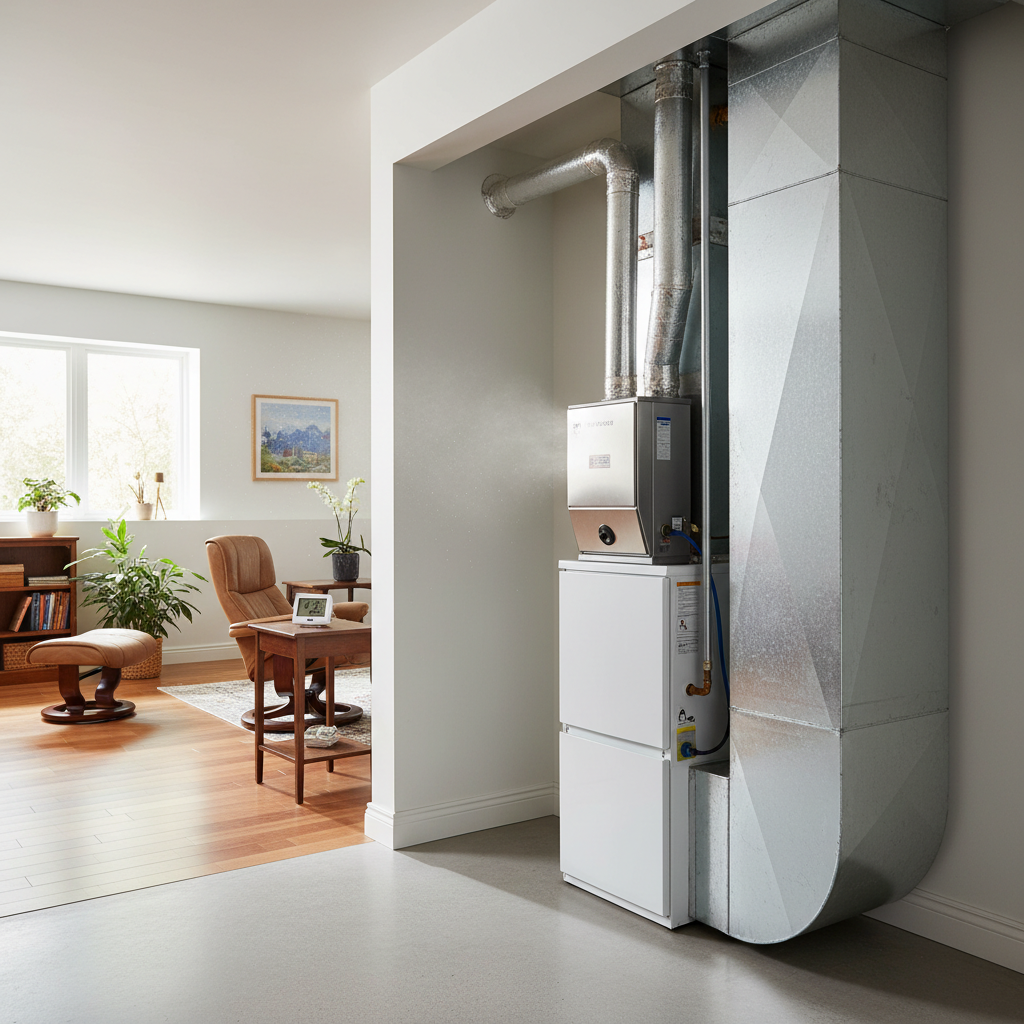
In addition to their health benefits, built-in humidifiers cater to various preferences and requirements, with options ranging from steam humidifiers to evaporative models. The ability to manage humidity levels automatically is a significant advantage, particularly in regions with extreme weather fluctuations. Research indicates that nearly 40% of U.S. households experience dry air during the winter months, leading to increased discomfort and health concerns, making built-in humidifiers more relevant than ever. As homeowners become more informed about the advantages of maintaining proper humidity levels, investing in a built-in humidifier is a strategic choice for enhancing home environments and safeguarding well-being.
Types of Built-In Humidifiers: Finding the Right Fit for Your Home
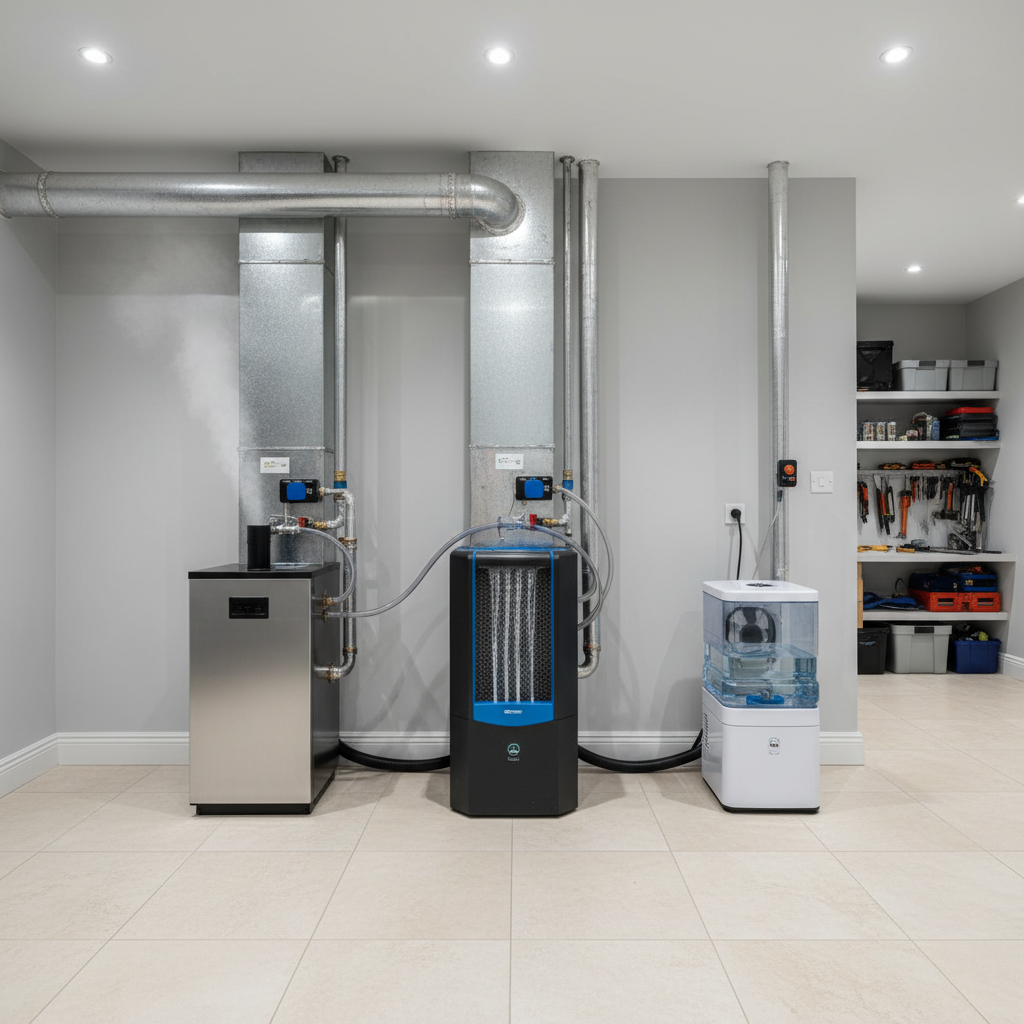
When it comes to maintaining optimal humidity levels in your home, built-in humidifiers offer a seamless and effective solution. There are several types of built-in humidifiers, each tailored to meet specific needs. The most common types include steam vaporization, flow-through, and reservoir humidifiers.
Steam vaporization units are highly effective, utilizing heat to create steam that is then distributed throughout the home, making them ideal for colder climates. Flow-through systems, on the other hand, use a consistent flow of water to create humidity, ensuring cleaner air by reducing bacterial growth, and are well-suited for larger spaces.
Reservoir humidifiers, designed for more compact areas, operate by drawing water from a built-in tank and releasing moisture into the air. These systems are easier to maintain and refill, making them a practical choice for smaller homes or apartments.
Understanding the differences among these types is crucial for selecting the right fit for your specific environment. Factors such as home size, existing heating and cooling systems, and personal preferences all play a significant role in determining which built-in humidifier will best enhance your indoor air quality.
Key Benefits of Installing a Built-In Humidifier: Improve Air Quality and Comfort
Installing a built-in humidifier in your home offers numerous benefits, most notably improving air quality and comfort. According to the Environmental Protection Agency (EPA), maintaining optimal indoor humidity levels between 30% and 50% can significantly reduce the presence of airborne viruses and allergens, making it easier for you and your family to breathe healthily. Furthermore, studies indicate that proper humidity levels can help alleviate symptoms of asthma and allergies, leading to enhanced overall well-being.
One of the key advantages of built-in humidifiers is their convenience and efficiency. Unlike portable models, built-in humidifiers integrate seamlessly with your home’s HVAC system, allowing for consistent humidity control throughout the entire space. They can be programmed to maintain the desired humidity levels automatically, ensuring a comfortable living environment year-round. According to a report from the Indoor Air Quality Association, homes equipped with built-in humidifiers tend to have improved air quality metrics, which can lead to better health outcomes for residents.
Tips for Effective Humidifier Use:
- Regularly monitor humidity levels using a hygrometer to ensure they remain within the ideal range, as excessively high humidity can promote mold growth.
- Schedule routine maintenance checks for your humidifier to prevent buildup and ensure it operates efficiently.
- Consider using distilled water in your humidifier to reduce mineral deposits and improve air quality further.
Top Factors to Consider When Choosing a Built-In Humidifier for Your Space
When selecting a built-in humidifier for your space, several key factors warrant careful consideration. First and foremost, the size of your area plays a crucial role in determining the right capacity of the humidifier. A larger room may require a more powerful unit with a higher output, while smaller spaces can suffice with less robust models. Assessing the square footage of your home and the specific areas that need humidity control will guide your decision-making process.
Another important factor is the type of humidification technology employed in the unit. Options include steam vaporizers, ultrasonic humidifiers, and evaporative models, each offering distinct benefits. For instance, ultrasonic units tend to be quieter and more energy-efficient, making them ideal for bedrooms or workspaces. Additionally, consider the maintenance requirements, such as filter changes and cleaning, which can vary significantly with different models. Opting for a user-friendly design that minimizes upkeep will contribute to a better long-term experience with your humidifier.
Humidity Level Monitoring in Various Homes
Maintenance Tips for Keeping Your Built-In Humidifier Running Efficiently
Built-in humidifiers can significantly enhance your home environment by maintaining optimal humidity levels, which is essential for respiratory health and overall comfort. To keep your built-in humidifier running efficiently, regular maintenance is crucial. A well-maintained unit not only performs better but also extends its lifespan, saving you money in the long run.
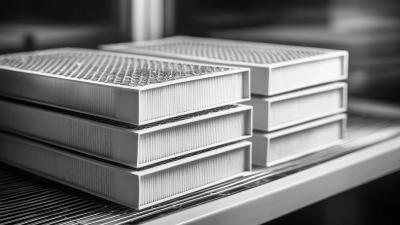
One of the key tips for maintaining your built-in humidifier is to regularly check and replace the filter as needed. Clogged filters can reduce airflow and efficiency, leading to inconsistent humidity levels. Additionally, it's important to clean the water reservoir frequently to prevent mold and bacteria buildup, ensuring that the moisture released into your home is clean and healthy.
Another helpful tip is to monitor the humidity levels in your home using a hygrometer. This device will give you accurate readings, allowing you to adjust your humidifier settings accordingly. Aim for a humidity level between 30%-50% for optimal comfort and health benefits. Regularly checking these levels can help you avoid issues such as condensation or dry air, making your space a more enjoyable place to live.
Comparison of the Best Built-In Humidifiers: Features and User Reviews
When evaluating built-in humidifiers, it's essential to consider their features and user reviews to determine the best fit for your home. According to a recent report by the Association of Home Appliance Manufacturers, approximately 30% of U.S. households have integrated humidification systems, highlighting their growing popularity. Users frequently praise these systems for their convenience and efficiency, particularly models that offer smart controls and integrated sensors to maintain optimal humidity levels. The ability to automate functions reduces both maintenance and energy costs, making built-in units a wise investment for homeowners.
Among the top contenders in the built-in humidifier market, several models stand out for their unique features and positive user experiences. For instance, the Aprilaire 800 series is lauded for its high-capacity output, which can humidify spaces up to 6,200 square feet. Feedback indicates exceptional performance in maintaining steady humidity, even in larger homes. Similarly, the Honeywell TrueSTEAM system is favored for its effectiveness and ease of installation, providing users with real-time humidity data and precise control over their home environment. These user reviews, combined with industry data, demonstrate that investing in a high-quality built-in humidifier can significantly enhance indoor air quality and overall comfort.
Comparison of the Best Built-In Humidifiers: Features and User Reviews
| Model |
Type |
Capacity (gallons/day) |
Features |
User Rating (out of 5) |
Price Range ($) |
| Model A |
Central |
12 |
Smart Control, Auto-Shutoff |
4.5 |
300 - 500 |
| Model B |
Portable |
6 |
Quiet Operation, Digital Display |
4.0 |
100 - 200 |
| Model C |
Whole House |
15 |
WIFI Compatible, Self-Cleaning |
4.7 |
700 - 900 |
| Model D |
Steam |
8 |
Antibacterial, High Efficiency |
4.2 |
150 - 250 |