China Top 10 Excavation Equipment Manufacturers 2026
China’s Excavation Equipment industry is entering 2026 with stronger technological expectations and uneven market conditions. Demand is no longer measured only by machine volume. Buyers now examine fuel efficiency, hydraulic response, uptime, operator safety, and after-sales support.
Recent releases from the China Construction Machinery Association show that China remains a major global market for excavators and related construction machinery. Reports from Off-Highway Research also identify China as a central manufacturing base, supported by extensive domestic demand and export capacity. These findings provide useful context for evaluating leading manufacturers, although market data can vary by product category and reporting method.
This guide, “China Top 10 Excavation Equipment Manufacturers 2026,” focuses on measurable business and engineering factors. These include production capability, product range, intelligent control systems, quality management, dealer coverage, and international service performance. Practical experience matters here. A machine working beside a deep foundation needs stable digging force, clear visibility, and dependable parts supply.
The details matter.
The ranking should not be treated as permanent. Company performance can change with technology investment, infrastructure cycles, raw-material costs, and customer feedback. Some manufacturers appear strong in export markets but remain less visible in specialized applications. Others offer impressive machines but need more transparent technical documentation.
That gap deserves attention. Manufacturer websites, CCMA publications, Off-Highway Research analysis, product certifications, and verified user experience should be compared before making a purchasing decision. This approach supports a more balanced and reliable view of China’s Excavation Equipment sector in 2026.
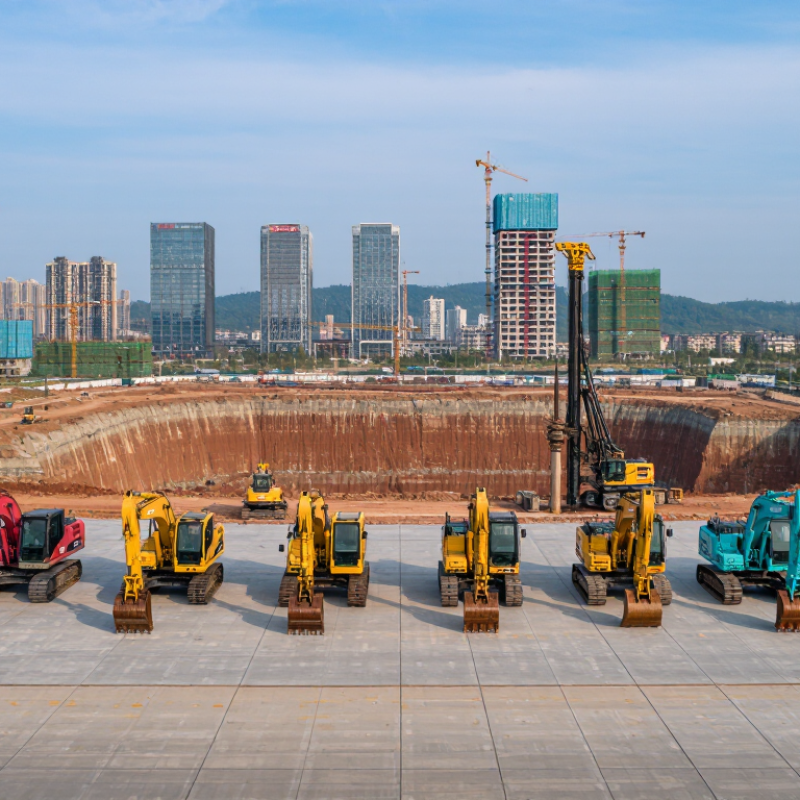
China’s Excavation Equipment Industry and 2026 Market Landscape
China’s excavation equipment industry enters 2026 with steadier demand, but not an effortless recovery. The China Construction Machinery Industry Association reported 201,131 excavators sold in 2024, including domestic sales and exports. Export demand helped offset uneven infrastructure investment at home. That split matters when assessing China’s top ten manufacturers.
Field conditions remain practical and unforgiving. Contractors now compare fuel use, hydraulic response, parts availability, and digital monitoring. A machine may look powerful on a showroom floor. Its real value appears after 3,000 working hours. Off-Highway Research identifies replacement cycles, public works, and overseas construction as important demand drivers. Yet smaller contractors still face financing pressure and cautious purchasing decisions.
Electric and hybrid excavators are gaining attention, especially in urban projects with strict noise limits. However, battery weight, charging access, and resale uncertainty remain serious barriers. The International Energy Agency’s machinery electrification analysis supports gradual adoption rather than a sudden switch. That seems realistic. Forecasts can miss local weather, property investment, and shipping disruptions. For a credible 2026 ranking, manufacturers should be judged by verified operating data, service coverage, safety performance, and long-term reliability—not production volume alone.
Profiles of China’s Top 10 Excavation Equipment Manufacturers
China Top 10 Excavation Equipment Manufacturers 2026
China’s leading excavation equipment manufacturers serve mining, road building, utilities, and urban construction. This profile focuses on practical capability, not advertising claims. The selection considers production scale, machine range, export experience, after-sales support, and published technical data. Field performance still matters most.
Several manufacturers specialize in large crawler excavators for open-pit mines and major infrastructure projects. Their machines often use reinforced frames, high-capacity buckets, and electronically managed hydraulic systems. Other companies focus on compact excavators for narrow streets, landscaping, and municipal repairs. These models need low fuel use, smooth controls, and easy transport. Some manufacturers build wheeled excavators for flexible road work. Their strengths include mobility, quick attachment changes, and reduced setup time.
There are also producers with strong drilling, loading, and earthmoving portfolios. Their experience supports complete project fleets rather than single-machine sales. Many factories now invest in battery systems, remote monitoring, operator assistance, and cleaner engines. Progress is visible.
However, published specifications do not always reflect jobsite reality. Soil conditions, operator training, maintenance quality, and parts availability can change results quickly. Buyers should compare verified operating hours, hydraulic response, cycle times, warranty terms, and local service records. A lower purchase price may hide higher downtime. This is where careful factory visits and independent user feedback remain valuable. Ten manufacturers may appear similar on paper, yet their reliability can differ across regions and applications.
Product Ranges, Technologies, and Industry Applications Compared
China’s top excavation equipment manufacturers in 2026 offer ranges from compact mini excavators to heavy crawler machines. Their portfolios often include wheeled excavators, long-reach models, drilling attachments, and material handlers. Small footprint matters. Compact units suit narrow streets, landscaping, and utility repairs, while larger machines support mines, highways, and major foundations.
Technology varies across the market. Electrohydraulic controls can improve digging precision and reduce operator fatigue. Telematics systems track fuel use, machine hours, location, and maintenance alerts. Some electric models serve indoor projects and low-noise urban sites. Hybrid power systems may lower fuel consumption, but performance depends on duty cycle, battery support, and local service quality. Buckets reveal a lot. Soil type and working depth should guide attachment selection.
Industry application separates strong equipment from attractive brochures. Quarry operators usually prioritize structural durability, cooling capacity, and high breakout force. Construction contractors may value transportability, fast attachment changes, and simple diagnostics. Agricultural users often need lighter machines with reliable hydraulic control. In field evaluations, service response and spare-parts availability can matter more than a small fuel-saving claim. Catalog figures are useful, but they do not fully predict muddy-site performance. Buyers should compare warranty terms, operator training, safety systems, and total ownership costs under real working conditions.
How to Choose a Chinese Excavation Equipment Manufacturer in 2026
China Top 10 Excavation Equipment Manufacturers 2026
Choosing a Chinese excavation equipment manufacturer requires more than comparing prices. Start with your working conditions: rock, clay, frozen ground, narrow streets, or large construction sites. Match operating weight, bucket capacity, engine output, and hydraulic flow to those conditions. A machine that looks powerful on paper may work poorly with your attachments.
Request factory records, not only polished brochures. Check production quality controls, welding inspection, hydraulic testing, and documented machine trials. Ask for service schedules, spare-parts availability, warranty terms, and technician response times. Reliable suppliers should provide clear specifications and traceable component information. They should also explain emissions, safety, and import requirements for your market.
Visit the factory when possible. Watch a machine dig, swing, and load under realistic conditions. Listen for hydraulic noise. Inspect hose routing and access to filters. Speak with existing users who operate similar models. Their maintenance experience can reveal problems that sales materials omit. No factory is flawless. I have seen buyers focus on purchase price, then face expensive delays because common filters were unavailable locally. That mistake is avoidable, but not always. Leave room for honest questions, independent inspections, and a written acceptance test before shipment.
How to Choose a Chinese Excavation Equipment Manufacturer in 2026
Recommended procurement weighting for evaluating excavation equipment suppliers
Product reliability and after-sales support carry the highest weights because uptime, parts availability, service response, and warranty coverage directly affect total ownership cost. Buyers should combine this framework with field tests, compliance checks, lifecycle-cost analysis, and verified customer references.