Skip to content

China Top General Electric Relay Manufacturer and Supplier?

Choosing a China-based General Electric Relay manufacturer or supplier calls for more than comparing prices. Buyers need to confirm the relay’s intended duty, coil voltage, contact configuration, and rated load. A mismatch can cause unreliable switching, excess heat, or early wear. Small details matter.

This guide explores how to assess suppliers through product specifications, production controls, inspection records, and technical support. Ask for clear datasheets and traceable test information. Check whether terminals, mounting dimensions, and insulation ratings fit the equipment already in use. A relay that looks suitable in a catalog may not fit a crowded control panel or a humid workshop. Verify before ordering.

The word “top” can be slippery. A large catalog does not automatically mean consistent quality, and a low quote may leave important questions unanswered. Compare suppliers against the same requirements, including sample availability, delivery estimates, warranty terms, and responses to technical questions. Where possible, review test samples under realistic operating conditions. Keep the evaluation practical.

This overview is intended to help engineers, purchasing teams, and equipment builders ask better questions before choosing a supplier. It does not claim that one company is best for every application. Requirements differ, and specifications deserve careful review. Even experienced buyers can miss a detail. That is worth remembering.
China Top General Electric Relay Manufacturer and Supplier?

What Is an Electric Relay and How Does It Work?

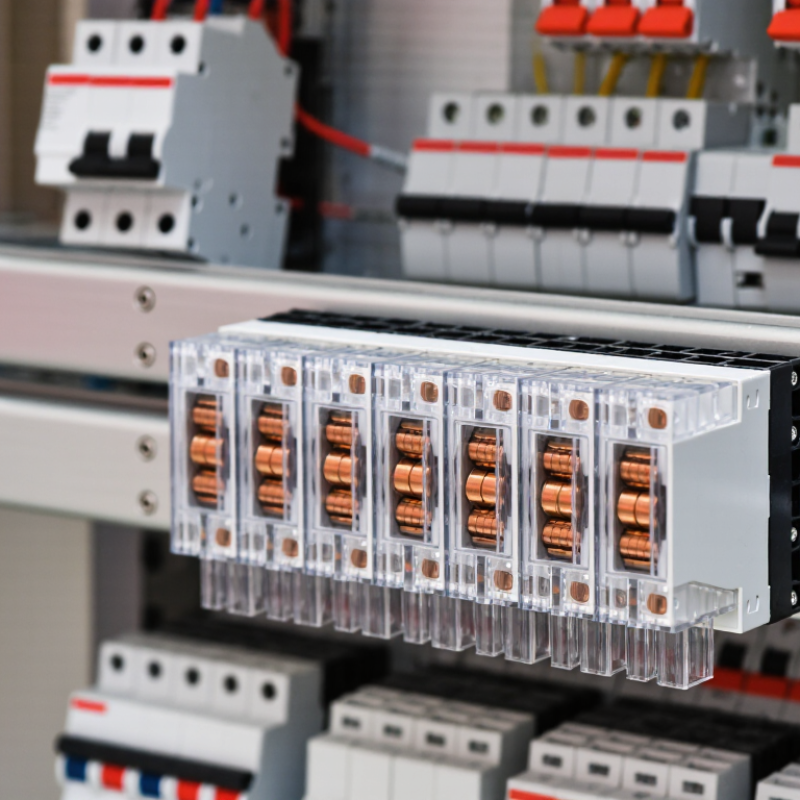
An electric relay is an electrically operated switch. A small control current energizes a coil, creating a magnetic field that moves an armature. The armature opens or closes contacts in a separate circuit, allowing a low-power signal to control a larger load. Simple, but not magic. A relay does not regulate voltage or protect every circuit fault.

In a workshop, you might hear a faint click as a relay switches a lamp or motor. Normally open contacts close when energized; normally closed contacts open. Engineers check coil voltage, contact ratings, switching frequency, and load type before choosing one. Inductive loads, such as motors, can produce voltage spikes when switched, so suitable suppression may be needed. A relay can also wear out.

The market reflects how widely these components are used. Grand View Research’s 2023 Relay Market report estimated the global market at USD 9.77 billion in 2022 and projected USD 17.18 billion by 2030. That forecast indicates demand, not a guarantee of reliability in any particular application. Actual service life depends on load, environment, and switching conditions. A datasheet matters.

Types of Electric Relays Used in Industrial Systems

Industrial systems use several relay types, each suited to a different switching task. Electromechanical relays use a coil and moving contacts. They are easy to understand and can switch substantial loads, but their contacts wear over time. In a control cabinet, a faint click may confirm operation; it does not prove the contacts are healthy.

Solid-state relays switch electronically, with no moving contacts. They can operate quietly and handle frequent switching, though heat management matters. A relay mounted tightly beside warm equipment may need more ventilation or a heat sink. Small detail. Often overlooked.

Time-delay relays add a pause before switching or after a signal ends. They help coordinate motor starts, ventilation cycles, and other sequences. Latching relays retain their state after the control pulse stops, reducing continuous coil power. Safety relays serve monitored safety circuits and require careful selection, wiring, and testing. The right choice depends on load type, voltage, switching frequency, ambient temperature, and control requirements. Datasheets are useful, but site conditions can differ from the neat values on a page. Engineers should verify operation under real loads and inspect connections during maintenance. No single relay fits every panel.

Electric Relay Contact Configurations Used in Industrial Systems

Pole count by common relay contact configuration

A pole represents a circuit controlled by the relay; the throw count indicates the available contact paths. For example, a DPDT relay has two poles and two throws. Actual configurations vary by relay design.

Key Applications Across Power and Automation

In power systems, relays help detect abnormal conditions and signal circuit breakers to isolate affected sections. On a distribution panel, an overcurrent relay can respond when current exceeds its configured threshold. This helps protect cables and connected equipment. It does not replace correct breaker selection or routine testing. Small details matter.

Automation uses relays to switch and coordinate equipment. A relay may control a pump motor, ventilation fan, or warning light from a sensor or programmable controller. In a factory cabinet, clear wiring labels and secure terminals make troubleshooting easier. Timing relays can also sequence operations, such as starting a fan before a production line begins. The right setup depends on the load, control voltage, and operating environment.

Selection takes more than matching a current rating. Engineers should check contact ratings, coil voltage, switching frequency, expected temperature, and the consequences of failure. Dust, vibration, and repeated switching can affect service life. A relay that works well on a drawing may be less suitable in a hot, crowded enclosure. Site conditions deserve a second look. Regular inspection and documented functional tests help confirm that protection and control circuits still behave as intended.

China’s Electric Relay Manufacturing and Supply Landscape

China’s Electric Relay Manufacturing and Supply Landscape

China’s relay supply landscape is shaped by dense electronics, automotive, and industrial-control supply chains. Manufacturers range from high-volume producers of standard relays to specialist factories serving demanding applications. The downstream market is substantial: the China Association of Automobile Manufacturers reported 30.16 million vehicles produced in 2023. Industrial automation adds another demand source. The International Federation of Robotics’ World Robotics 2024 report recorded 276,288 industrial robots installed in China in 2023. These figures indicate relevant demand, not the size or quality of China’s relay output.

For buyers, supplier evaluation should go beyond unit price and catalogue breadth. Ask for test records covering coil voltage, contact load, switching life, insulation, and temperature rise. Check whether samples match production parts, and whether batch traceability is available. Lead times can vary with copper, silver-alloy contacts, and custom tooling; a quoted delivery date is not always a dependable one. This deserves more attention. Large manufacturing capacity does not automatically mean consistent performance, especially across different product grades. Clear drawings and agreed acceptance criteria reduce avoidable disputes.

Tips: Request datasheets and representative test reports before approving a relay. Compare contact ratings under your actual load conditions, not just headline values. Confirm change-control procedures for materials or production sites.

How to Evaluate and Select a Reliable Relay Supplier

China Top General Electric Relay Manufacturer and Supplier?

How to Evaluate and Select a Reliable Relay Supplier

A reliable relay supplier should provide more than a competitive quotation. Request samples matching your coil voltage, contact rating, switching load, and installation environment. Check insulation resistance, dielectric strength, contact bounce, response time, and electrical life. These figures should come from controlled test reports, not only a sales sheet.

Ask how the supplier controls incoming materials, assembly, and final inspection. Traceable batch numbers matter when a relay fails after months of operation. Review production equipment, calibration records, and sampling plans. A factory audit, video inspection, or independent test can reveal details that polished documents miss. Small details count.

Evaluate communication under pressure. Can the supplier explain a delayed shipment, a failed sample, or a specification change clearly? Confirm tolerances, packaging, storage conditions, warranty terms, and technical support before placing an order. Request a pre-production sample and compare it with the approved drawing. Do not accept vague promises.

Price still matters, but the lowest offer may hide thinner contacts, unstable coils, or weak quality control. I have seen evaluation teams focus heavily on unit cost and overlook replacement labor. That mistake is easy to repeat. A supplier may pass one test and struggle during high-temperature cycling, vibration testing, or long-term switching. Leave room for retesting. Evidence is useful, but every claim deserves a second look.