How to Choose a ZX200 or ZX330 Excavator?
Choosing between a ZX200 and ZX330 excavator is rarely a simple size decision. It is a question of production, access, transport, and long-term operating cost. The larger machine may move more material per hour. However, it can also demand stronger haul roads, heavier transport equipment, and more working space.
Mike Vorster, a respected construction equipment management expert, often emphasizes this principle: “The best machine is the one that earns its keep.” That idea fits the ZX200/ZX330 comparison closely. A ZX200 may suit urban foundations, utility work, and confined construction sites. Its lower transport weight can simplify mobilization. A ZX330 may perform better in quarrying, deep excavation, bulk earthmoving, and demanding soil conditions. Its larger bucket and stronger digging capability can reduce cycle time.
Look beyond horsepower. Examine hydraulic flow, maximum digging depth, bucket capacity, fuel consumption, undercarriage condition, and local service support. Operator skill matters too. A careful operator can protect productivity and reduce unnecessary wear. A rushed operator cannot.
Real job details decide the answer.
For example, a 20-ton-class excavator may work efficiently beside a narrow road. A 30-ton-class machine may spend valuable hours waiting for trucks. That hidden delay is easy to miss. No spreadsheet is perfect. Weather, ground pressure, attachment changes, and resale demand can alter the result. This guide compares the ZX200/ZX330 through practical operating conditions, not brochure figures alone. Check the exact model year and regional specification before making a final purchase or rental decision.
Understand the Main Differences Between the ZX200 and ZX330
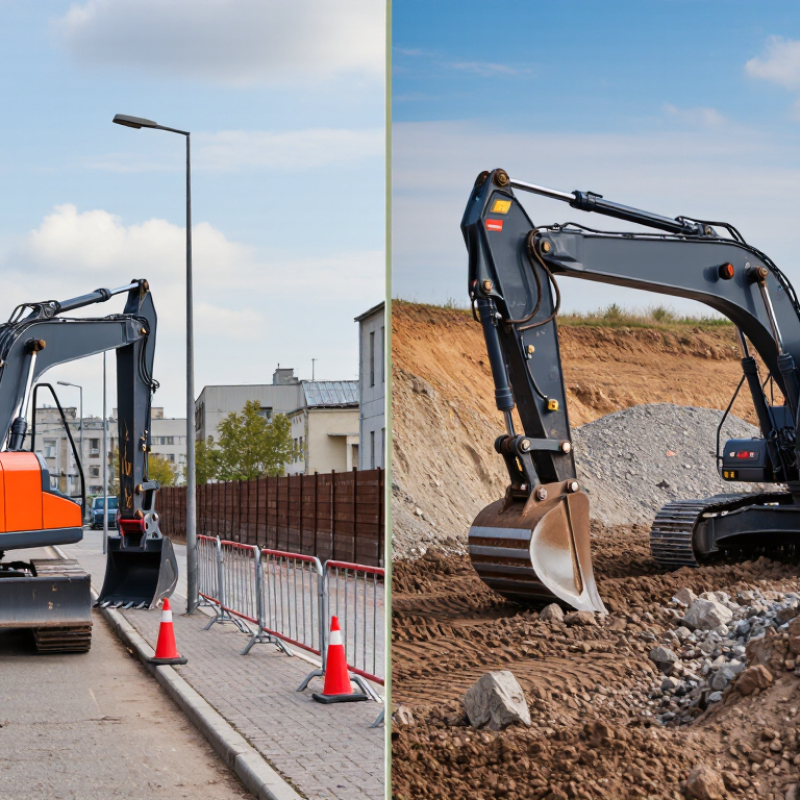
Choosing between a ZX200 and ZX330 excavator starts with understanding their working differences, not their model numbers. The ZX200 is generally easier to transport and more economical on smaller sites. Its lower operating weight can reduce ground pressure and simplify access through narrow entrances. The ZX330 offers greater digging force, a larger working envelope, and stronger lifting performance. It suits deep excavation, heavy trenching, quarry work, and large foundation projects.
The difference becomes clear in daily use. A ZX200 may load trucks efficiently when the material is loose and the swing area is limited. A ZX330 can handle dense clay, rock-filled soil, and larger buckets with less strain. However, more power also means higher fuel use, transport demands, and operating costs. Bigger is not automatically better. On a cramped urban site, the ZX330 may spend more time repositioning than digging.
Check operating weight, bucket capacity, lift charts, hydraulic flow, and tail-swing dimensions before deciding. Attachment compatibility matters too. A breaker, grapple, or long-reach arm can change the machine’s real productivity. Published specifications may vary by configuration, so compare matching versions. Crews should also inspect local soil conditions and haul distances. A useful field test is simple: track cycle time, fuel consumed, and truck-loading speed for one typical shift. My own comparison would not rely on brochure figures alone; uneven ground and an inexperienced operator can change the result quickly.
Match Excavator Size to Your Jobsite Conditions
How to Choose a ZX200 or ZX330 Excavator?
Match the excavator to your jobsite, not only to the excavation volume. A ZX200 usually suits narrow access, residential foundations, drainage work, and moderate digging depths. Its smaller footprint can reduce ground disturbance and simplify transport. A ZX330 offers greater reach, lifting capacity, and productivity for quarry work, deep cuts, large utilities, and heavy material handling. However, more power does not always mean better performance.
Walk the site before choosing. Measure gate widths, overhead clearance, haul roads, and working radius. Check soil strength after rain, especially near trenches and slopes. A heavier excavator may sink on soft ground, even when it handles the workload easily. Review the lift chart for the actual radius, attachment, and load. I have seen crews choose by bucket size, then lose time repositioning around tight structures. That mistake is common.
Tips: Test access with a simple site sketch. Compare operating weight with ground conditions. Confirm transport limits before delivery. Match the hydraulic system to your attachments, not just the machine class. Leave room for safe slewing and spoil piles. An experienced operator can reveal clearance problems quickly. Still, experience can miss changing ground conditions. Recheck the site after heavy rain. Also, allow maintenance access around the machine, because a productive excavator needs daily inspections, clean filters, and dependable lubrication.
Evaluate Fuel Use, Attachments, Transport, and Maintenance
How to Choose a ZX200 or ZX330 Excavator?
Fuel use should match the actual workload, not only the engine size. A ZX200 often suits general trenching, grading, and utility work. A ZX330 may be more productive in deep digging or heavy rock conditions. My first fuel comparison was flawed. I measured liters per hour without recording idle time, soil density, or operator habits. Track full-shift consumption instead. Small differences become expensive over months.
Attachments can change the decision quickly. Check hydraulic flow, pressure, and coupler compatibility before choosing a machine. A breaker may demand different settings than a bucket or auger. The larger excavator can lift heavier tools, but its extra capacity is useless if your jobs stay light. Test the attachment in representative material. A workshop inspection can prevent costly surprises.
Transport deserves equal attention. Confirm machine weight, trailer capacity, route limits, and loading space. A ZX330 may require a larger trailer and more permits, increasing setup time. Maintenance access also matters. Inspect filter locations, grease points, fluid levels, and service records. I prefer machines with clear daily inspection areas. It sounds minor. It is not.
Compare scheduled service costs with local labor rates and parts availability. A machine that works well but waits weeks for a component can damage project schedules. Leave room for uncertainty; fuel prices, ground conditions, and attachment wear rarely follow estimates.
Attachments A ZX200-class excavator typically suits buckets around 0.8–1.2 m³, while a ZX330-class machine commonly handles approximately 1.2–1.8 m³ buckets and heavier breakers.
Transport Typical operating mass is about 20–22 tonnes for the smaller class and 32–35 tonnes for the larger class, affecting trailer selection, permits, and mobilization cost.
Maintenance Both classes require daily inspections and scheduled filter, fluid, track, and undercarriage checks. A common planning benchmark is engine oil and filter servicing around every 500 operating hours, subject to the service manual.
The chart shows representative working fuel-use ranges rather than idle or maximum-load consumption. Choose the ZX200-class for easier transport and lower hourly fuel demand; choose the ZX330-class when larger attachments, deeper digging, and higher production justify the additional operating and logistics costs.
Select the Model That Best Fits Your Budget and Workload
How to Choose a ZX200 or ZX330 Excavator?
Select the Model That Best Fits Your Budget and Workload
Choosing between a ZX200 and ZX330 starts with the work, not the brochure. A ZX200 may suit road repairs, drainage, foundation digging, and medium-sized earthmoving projects. Its lower purchase price can leave more budget for attachments, transport, and operator training. The ZX330 offers greater digging force and capacity for deep excavation, quarry work, and heavy soil removal. However, its larger size may increase fuel, hauling, and maintenance costs.
Measure your typical workload before deciding. Record daily operating hours, average trench depth, soil conditions, and truck-loading requirements. A machine working eight hours daily needs a different cost calculation than one used twice a week. Check the available space too. Tight urban sites can make a larger excavator slow and awkward. That detail is easy to underestimate.
Attachment choice also affects value. A hydraulic breaker, grading bucket, or quick coupler can change the machine’s usefulness. Ask local technicians about parts availability and routine service times. Reliable support often matters more than a small difference in rated power. I would not choose the ZX330 simply because it looks stronger. Excess capacity can become expensive unused capacity. Yet selecting the ZX200 for demanding rock excavation may create delays, higher wear, and operator frustration. Compare the expected cost per working hour, then leave some budget for unexpected repairs. Real projects rarely follow the spreadsheet perfectly.