Choosing the right Back Splash is a practical design decision, not merely a color exercise. It protects walls from oil, steam, splashes, and daily cleaning. It also frames the countertop, cabinetry, and cooking zone. Small samples matter. A white tile can look warm beside oak cabinets but cold beneath blue-gray lighting.
The financial stakes deserve attention. Houzz’s 2024 U.S. Kitchen Trends Study reported median spending of $60,000 for major kitchen remodels and $20,000 for minor remodels. A carefully selected Back Splash can support that investment without dominating the room. The National Kitchen & Bath Association’s 2024 Kitchen Trends Report also emphasizes durable surfaces, layered lighting, and personalized kitchen planning. These findings suggest a useful rule: appearance must work with maintenance, installation, and long-term use.
Kitchen designer Susan Serra, CKD, has described the backsplash as “the jewelry of the kitchen.” The comparison is memorable, but it is not perfect. Jewelry can be changed quickly. Tile usually cannot. Porcelain, ceramic, glass, and natural stone each behave differently around grout, heat, stains, and uneven walls. A glossy mosaic may reflect light beautifully, yet its many grout lines demand patience. Large-format porcelain offers fewer joints, but cutting and alignment require skilled installation. Measure behind appliances, inspect outlet locations, and test samples beside the faucet. Do not trust showroom lighting. Your first preference may change. That is useful. A Back Splash should look attractive today, clean easily tomorrow, and remain credible years later.
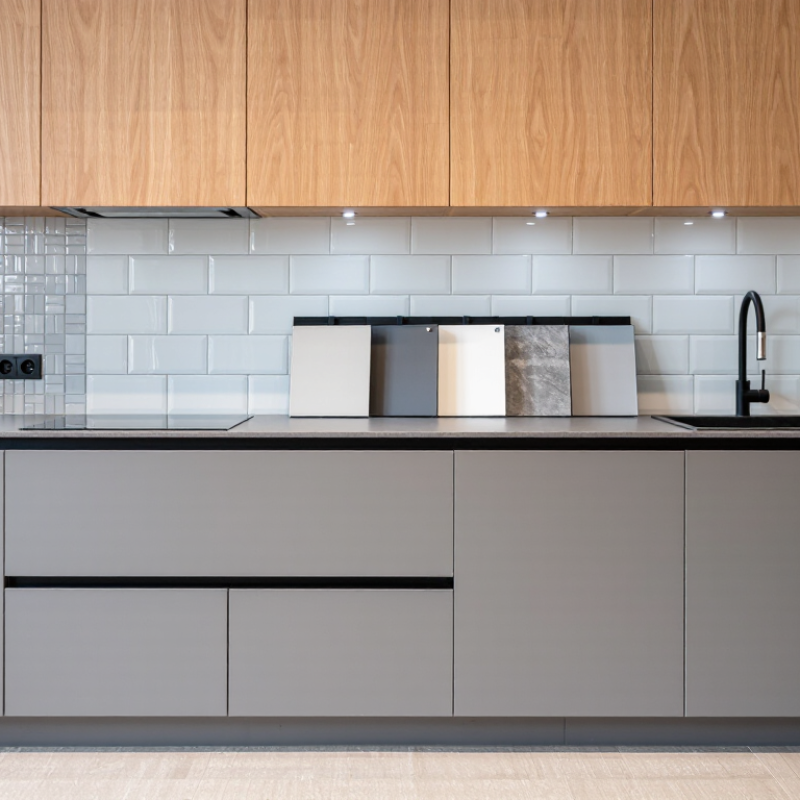
Before choosing a backsplash, observe how your kitchen actually works. I once planned a pale, textured surface near a busy cooktop, and daily grease proved the mistake. Measure the wall behind the sink, range, and preparation area. Note steam, splashes, heat, and cleaning habits. A sealed, nonporous surface suits frequent cooking better than a fragile porous one. Check local installation guidance for clearances around cooking equipment. Requirements come first. Design follows.
Your design brief should include color, visual scale, lighting, and maintenance tolerance. Bring cabinet, counter, and floor samples into the room, not just screenshots. Glossy surfaces can brighten a dim kitchen, but they reveal fingerprints and uneven walls. Matte finishes hide reflections, though they may need stronger task lighting. Small tiles add rhythm and grout lines. Large panels create calmer sightlines. Consider outlet positions before finalizing the pattern. Awkward cuts are rarely beautiful.
Ask how the backsplash will meet countertops, cabinets, and corners. These joints need careful sealing to limit moisture entry. Confirm that the substrate is flat, sound, and suitable for the selected material. A professional installer should explain movement, adhesive, grout, and cleaning requirements clearly. Do not choose a dramatic pattern only because it photographs well. Live with a sample for several days. Morning light changes everything. I still prefer practical choices, but I sometimes underestimate how much a quiet design affects the room’s comfort.
| Backsplash Material | Water and Stain Resistance | Heat and Cooking-Zone Suitability | Cleaning and Maintenance | Installation Considerations | Typical Relative Cost | Design Characteristics | Best Functional Match |
|---|---|---|---|---|---|---|---|
| Ceramic or Porcelain Tile | Very good when properly glazed and grouted. Porcelain generally has lower water absorption than standard ceramic tile. | Very good for areas behind cooktops and ranges. Use heat-resistant grout and follow the installation specifications. | Easy to wipe clean. Grout lines may require periodic cleaning and sealing, depending on the grout type. | Requires a level, sound wall and careful layout. Cutting is needed around outlets and corners. | Low to medium | Available in many colors, sizes, patterns, textures, and installation layouts such as stacked, brick, or herringbone. | Kitchens that need a versatile, durable, and cost-conscious surface. |
| Natural Stone | Variable. Marble, limestone, travertine, and other porous stones usually need sealing to reduce absorption and staining. | Generally good for normal cooking temperatures, but sudden temperature changes and direct contact with very hot cookware should be avoided. | Use pH-neutral cleaners. Some stones need periodic resealing, and acidic foods can etch calcium-based stone. | Heavier than many alternatives and may require a suitable substrate. Natural variation should be planned before installation. | Medium to high | Each slab or tile has unique veining, color variation, and texture, creating a natural focal point. | Kitchens where distinctive visual character is more important than minimal maintenance. |
| Glass Tile or Tempered Glass Panel | Glass is nonporous and highly resistant to water and food stains. Grout performance depends on the grout selected. | Good for most backsplash areas. Tempered glass panels should be specified for applications requiring improved impact and thermal performance. | Very easy to wipe clean. Glossy surfaces can show fingerprints, splashes, and water spots. | Panels require accurate measurements and carefully positioned outlets. Tile sheets may need specialized cutting. | Medium to high | Reflects light and can make a compact kitchen appear brighter or more spacious. Available in clear, translucent, and opaque finishes. | Small or dark kitchens that benefit from light reflection and a sleek appearance. |
| Stainless Steel | Nonporous and highly resistant to water, grease, and most food stains. | Excellent for areas behind ranges and cooktops when correctly installed. It does not burn, but the wall system and adhesives still require suitable specifications. | Wipe with a soft cloth and mild cleaner. Abrasive products can scratch the surface; fingerprints may be visible. | Large sheets can reduce grout lines, but edges and seams must be finished carefully. The metal surface can show dents or scratches. | Medium to high | Creates a professional, modern, and industrial look. Brushed finishes generally show fewer marks than mirror-polished finishes. | High-use kitchens that prioritize hygiene, durability, and fast cleanup. |
| Solid-Surface Acrylic or Polyester Panel | Nonporous and resistant to everyday moisture and food staining when seams are properly fabricated. | Suitable for general backsplash areas, but many products have specific heat limits and should not be installed too close to high-heat appliances without approved protection. | Low maintenance with seamless or minimally seamed designs. Avoid harsh solvents and abrasive pads. | Can be cut and joined with inconspicuous seams. Installation should follow the product’s temperature and clearance requirements. | Medium to high | Provides a smooth, continuous appearance and can coordinate with countertops. Many colors imitate stone without natural veining variation. | Contemporary kitchens seeking easy cleaning and few visible joints. |
| Laminate Panel | Good resistance to everyday splashes when edges and joints are sealed. Water can damage the substrate if it penetrates exposed seams. | Limited compared with tile, stone, glass, or metal. It is generally not the first choice immediately behind a high-heat range unless the manufacturer approves the application. | Easy to clean with a damp cloth and mild detergent. Avoid prolonged moisture at seams and aggressive heat. | Lightweight and relatively easy to cut. Careful edge finishing is essential around countertops and sinks. | Low | Offers many printed patterns, including wood, stone, and solid colors, with a consistent appearance. | Low-budget updates, rental-friendly projects, or kitchens with limited high-heat exposure. |
| Exposed Brick or Brick Veneer | Brick is porous and can absorb grease and moisture. A suitable sealer is typically needed in a kitchen backsplash application. | Good heat tolerance for many kitchen applications, but mortar, sealers, and the wall assembly must also be appropriate for the location. | Textured surfaces collect dust and grease more easily. Cleaning is slower than with smooth, nonporous materials. | May add wall thickness and requires secure attachment. Uneven surfaces can complicate outlet covers and countertop transitions. | Medium | Provides a warm, textured, rustic, or industrial appearance with strong visual depth. | Kitchens where character and texture are priorities and frequent deep cleaning is acceptable. |