Skip to content

China Top 10 Chemical Storage Cabinet Manufacturers?

Chemical storage decisions often begin with a simple question: which Chinese manufacturer can deliver dependable protection? The answer requires more than factory scale or attractive pricing. A Chemical Storage Cabinet should match the stored substance, workplace conditions, and daily handling routines. This guide explores ten leading Chinese manufacturers through practical and professional criteria. These include cabinet construction, corrosion resistance, ventilation options, fire performance, locking systems, and production consistency. Materials matter. A poorly finished steel surface may weaken near spills or humid floors. A well-designed cabinet should support clear labeling, stable shelving, and controlled access. Small details matter.

Our comparison also considers evidence behind each company’s claims. We look for documented quality systems, testing records, export experience, customization capabilities, and responsive technical support. Where public information appears limited, that limitation deserves attention. No ranking is perfect. Buyer requirements vary widely. A laboratory may need compact acid storage, while a manufacturing site may require larger, separated units. Site assessment remains essential. Readers should verify specifications, installation guidance, and local workplace requirements before purchasing. Independent inspection can reveal issues photographs hide, including uneven doors, weak hinges, or poor shelf alignment. We also encourage direct questions about lead times, replacement parts, maintenance, and warranty coverage. Reliable manufacturers explain limitations clearly. That honesty often matters more than impressive brochures. This overview supports informed comparisons, but it cannot replace professional safety advice.
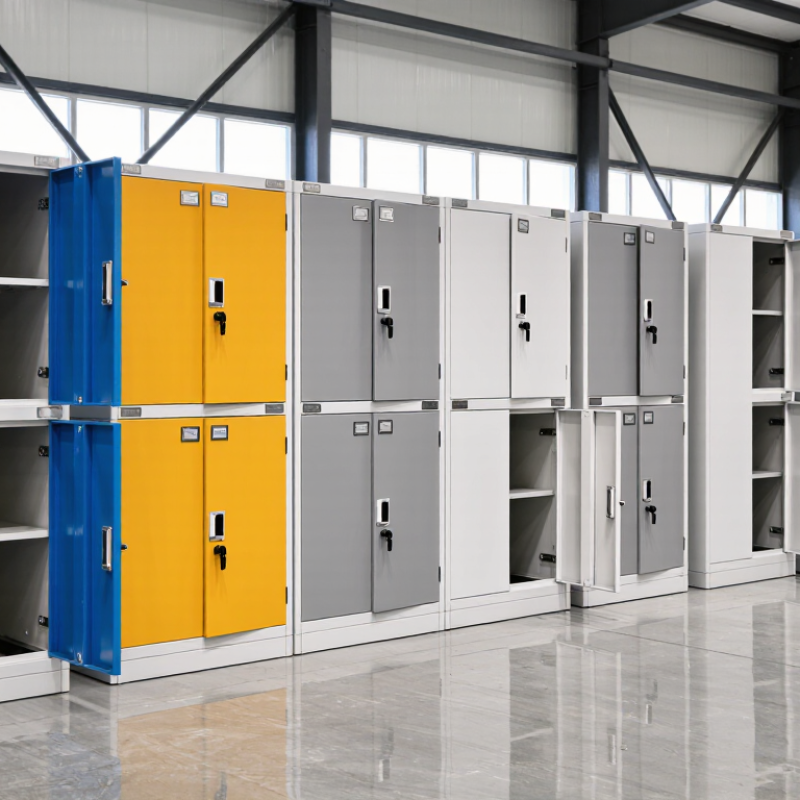
China Top 10 Chemical Storage Cabinet Manufacturers?

What Are Chemical Storage Cabinets and Why Are They Important?

Chemical storage cabinets are purpose-built enclosures for keeping compatible chemicals contained, organized, and separated from everyday work areas. Depending on their design, they may help manage fire, spills, vapor exposure, or corrosion. A flammable-liquid cabinet, for example, typically has a raised, leak-resistant sill and self-closing or manually secured doors. That detail matters when a bottle tips or a container leaks. Not every chemical belongs in the same cabinet; acids, bases, and oxidizers may require separate storage.

The risks are real. The U.S. Bureau of Labor Statistics reported 2.8 million nonfatal workplace injuries and illnesses in private industry in 2022, though this figure covers all causes, not chemical storage alone.

OSHA’s 29 CFR 1910.106 limits certain flammable liquids to 60 gallons per cabinet, with a separate 120-gallon limit for Category 4 liquids.

These figures show why capacity and chemical classification matter. A cabinet is not magic. Staff still need clear labels, compatible containers, routine leak checks, and training. A locked door cannot fix poor segregation. And a cabinet’s protection depends on correct installation and use.

How Are China’s Top 10 Chemical Storage Cabinet Manufacturers Selected?

China Top 10 Chemical Storage Cabinet Manufacturers?

How Are China’s Top 10 Chemical Storage Cabinet Manufacturers Selected?

A credible comparison starts with the cabinet, not the catalog. Review the manufacturer’s experience with chemical-storage applications and ask which materials suit the chemicals you handle. Steel thickness, seams, door alignment, and coating quality affect everyday durability. Request clear product specifications and test documentation, then check that capacity, ventilation, and spill containment match your site’s needs. A neat showroom photo proves little. Details matter.

Selection should also consider quality controls, customization, and after-sales support. Can the supplier explain how cabinets are inspected before shipment? Are replacement parts available, and are installation instructions clear? Compare delivery terms and communication, but do not treat a low price as proof of value. Independent testing or relevant certifications can strengthen confidence; verify their scope and validity rather than relying on a logo. No ranking is perfect. Some public information may be incomplete, so buyers should confirm key claims directly.

Tips: Share a list of stored chemicals and container sizes when requesting a quote. Ask for drawings showing shelf spacing, sump capacity, and door clearance. Check sample welds and finish under bright light. Keep records of answers; vague replies deserve a second look.

China Top 10 Chemical Storage Cabinet Manufacturers? - How Are China’s Top 10 Chemical Storage Cabinet Manufacturers Selected?

The table below outlines a transparent framework for comparing manufacturers. It lists selection criteria and evidence to verify; it does not assert a verified ranking of specific companies.

Evaluation criterion Weight Evidence to review Why it matters
Product safety and applicable standards 18% Test reports, conformity documents, and clearly stated standard editions and scope Cabinets should be assessed against the requirements relevant to their intended use and destination market.
Construction and material specifications 14% Documented material type and thickness, seams, door construction, hinges, and finish Construction details affect durability and suitability for the chemicals and working environment involved.
Chemical compatibility and intended use 12% Chemical compatibility guidance, cabinet type, and stated storage limitations A cabinet’s suitability depends on the substances stored; one design is not appropriate for every chemical.
Spill containment and shelf design 10% Sump or tray capacity, shelf loading information, adjustability, and containment details Containment and shelf performance should be checked against the facility’s risk assessment and operating needs.
Ventilation and grounding provisions 9% Vent connection details, manufacturer guidance, grounding points, and installation instructions These features need to be evaluated for the stored material and installed in accordance with applicable guidance.
Quality management and production controls 9% Valid quality-system certificates, inspection procedures, and production traceability Documented controls help buyers evaluate consistency and the manufacturer’s quality processes.
Product range and customization capability 8% Catalog specifications, available sizes and configurations, and documented custom-order process A clear range helps buyers match cabinet capacity and configuration to the application.
Technical documentation and labeling 7% Datasheets, user and installation instructions, warnings, and traceable product information Complete documentation supports safe selection, installation, inspection, and ongoing use.
Export, packaging, and delivery capability 7% Export documentation, packaging specifications, stated lead times, and delivery terms These details help buyers assess logistics readiness and reduce avoidable shipment issues.
Warranty and after-sales support 6% Written warranty terms, spare-parts availability, and support response process Clear support terms help buyers understand service coverage over the product lifecycle.
Total evaluation weight 100% Apply the same evidence-based scoring process to every manufacturer being compared.

Suggested scoring method: Score each criterion from 1 to 5 using verifiable documents and product information, then apply the listed weight. Confirm certificates directly with the issuing body where practical, and verify that any test report applies to the specific product model under consideration.

Who Are the Top 10 Chemical Storage Cabinet Manufacturers in China?

China’s chemical storage cabinet sector serves a large industrial base. The China Petroleum and Chemical Industry Federation reported that the petroleum and chemical industry generated about RMB 15.95 trillion in operating revenue in 2023. That figure is not cabinet-market revenue, but it signals the scale of facilities needing controlled chemical storage. Choosing among China’s leading manufacturers therefore calls for more than comparing catalog prices.

A credible top-ten shortlist should be checked against measurable details: steel thickness, welded seams, door construction, spill capacity, ventilation options, and documented test results. Ask suppliers for cabinet dimensions and load limits, then compare them with the actual containers used in your facility. Look closely. A bright coating proves little about corrosion resistance. Also check whether shelves adjust securely and whether the manufacturer can provide replacement parts. These are practical distinctions, not marketing claims.

Industry reports can show demand, but they rarely establish which individual cabinet maker performs best. Treat rankings as a starting point, not proof. Factory audits, sample inspections, and clear warranty terms offer stronger evidence. Some buyers still overlook delivery lead times and after-sales support; that is an easy mistake. A top manufacturer should explain its materials, quality checks, and limits plainly, even when the answer is not perfect.

Chemical Storage Cabinet Capacity: U.S. OSHA Limits

A regulatory reference point for evaluating flammable-liquid storage cabinets—not a ranking of Chinese manufacturers.

OSHA limits: up to 60 gallons of Class I, II, and III liquids combined, or up to 120 gallons of Class III liquids, in a storage cabinet. These are U.S. regulatory limits, not China-specific product specifications. Source: OSHA 29 CFR 1910.106(d)(3)(i).

How Do These Manufacturers Compare in Safety, Quality, and Customization?

China’s top chemical storage cabinet manufacturers should be compared by evidence, not rankings alone. Safety starts with double-wall steel construction, stable shelves, spill trays, and self-closing doors. Look for clear load ratings and documented fire-resistance testing. Ventilation options should match the stored material and workplace conditions. A cabinet may look strong, yet weak welds can appear around hinges and shelf supports.

Quality depends on more than paint and polished surfaces. Check steel thickness, coating adhesion, door alignment, lock durability, and corrosion resistance. Reliable manufacturers usually provide inspection records, material specifications, and traceable quality checks. Customization is also important. Buyers may need adjustable shelves, grounding points, warning labels, special dimensions, or controlled ventilation openings. However, every modification should preserve cabinet strength and safe containment. Extra features are not automatically improvements. Some designs become harder to inspect or maintain.

Tips: Request sample test reports, production photos, and a detailed inspection checklist. Compare cabinet performance under realistic conditions, including spills, heavy containers, and frequent door use. Ask how replacement parts are supplied. A low price can be attractive, but missing documentation creates uncertainty. No cabinet is perfect. Even experienced buyers can overlook installation space, shelf loading, or cleaning access. Review these details before approval, and record findings for future inspections.

What Should Buyers Consider When Choosing a Chinese Manufacturer?

Choosing a Chinese chemical storage cabinet manufacturer requires more than comparing prices. Start with the chemicals, container sizes, and storage volume your site actually uses. Ask whether cabinet materials, seams, shelves, and door seals suit those substances. A coated steel cabinet may look sturdy, but coating damage or incompatible contact surfaces can matter. Request clear product specifications, test reports, and photos of finished units. Check that documents match the exact model you plan to buy.

Tips: Send a written use-case list. Include container dimensions, approximate load, and operating conditions. Ask for a sample inspection or a live production video. Small details count, like a door that closes evenly or a shelf that does not flex under load.

Evaluate production consistency and communication, not just one attractive sample. Ask how the manufacturer checks welds, coatings, and final assembly, and what records accompany each shipment. Clarify lead times, packaging, spare parts, and how defects are handled. A factory visit can help, but it is not a complete quality check. I would not rely on polished brochures alone; specifications can leave practical questions unanswered. Keep approvals and agreed changes in writing, especially when the order includes custom dimensions or fittings.